About Us
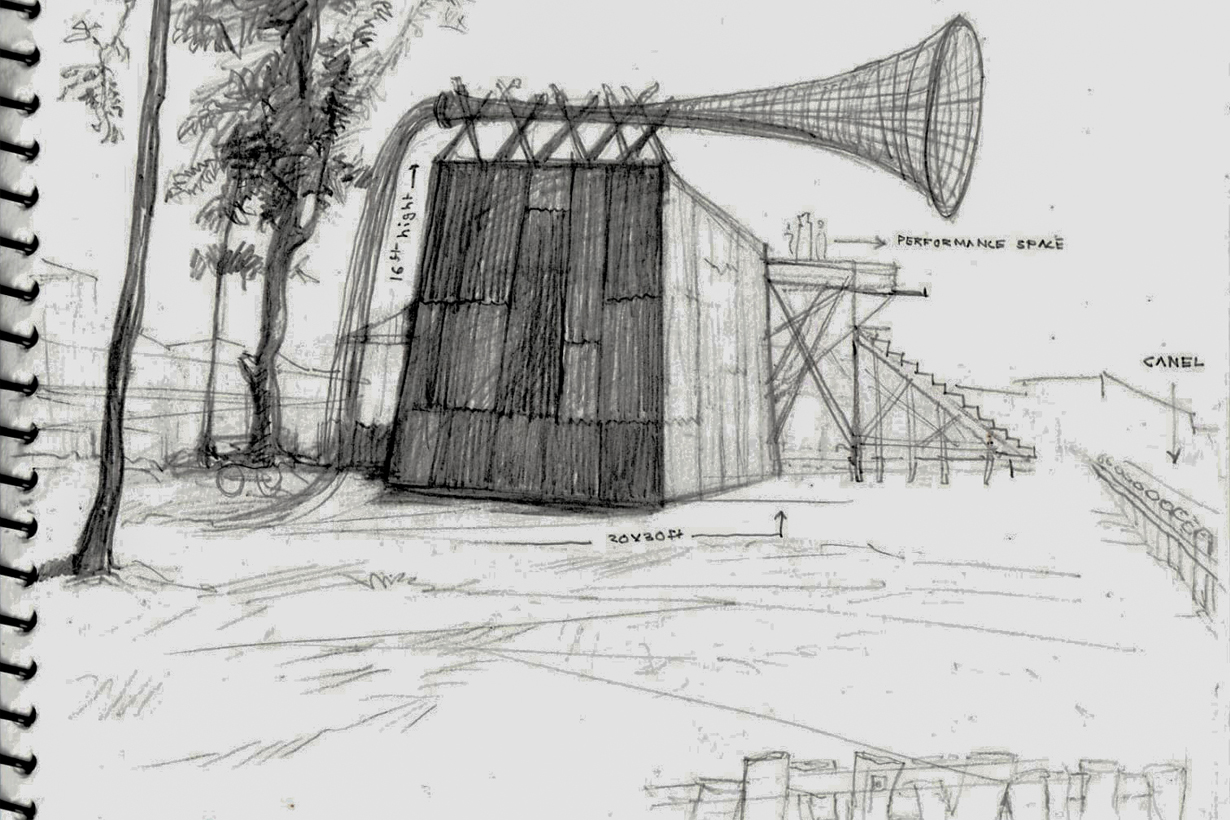
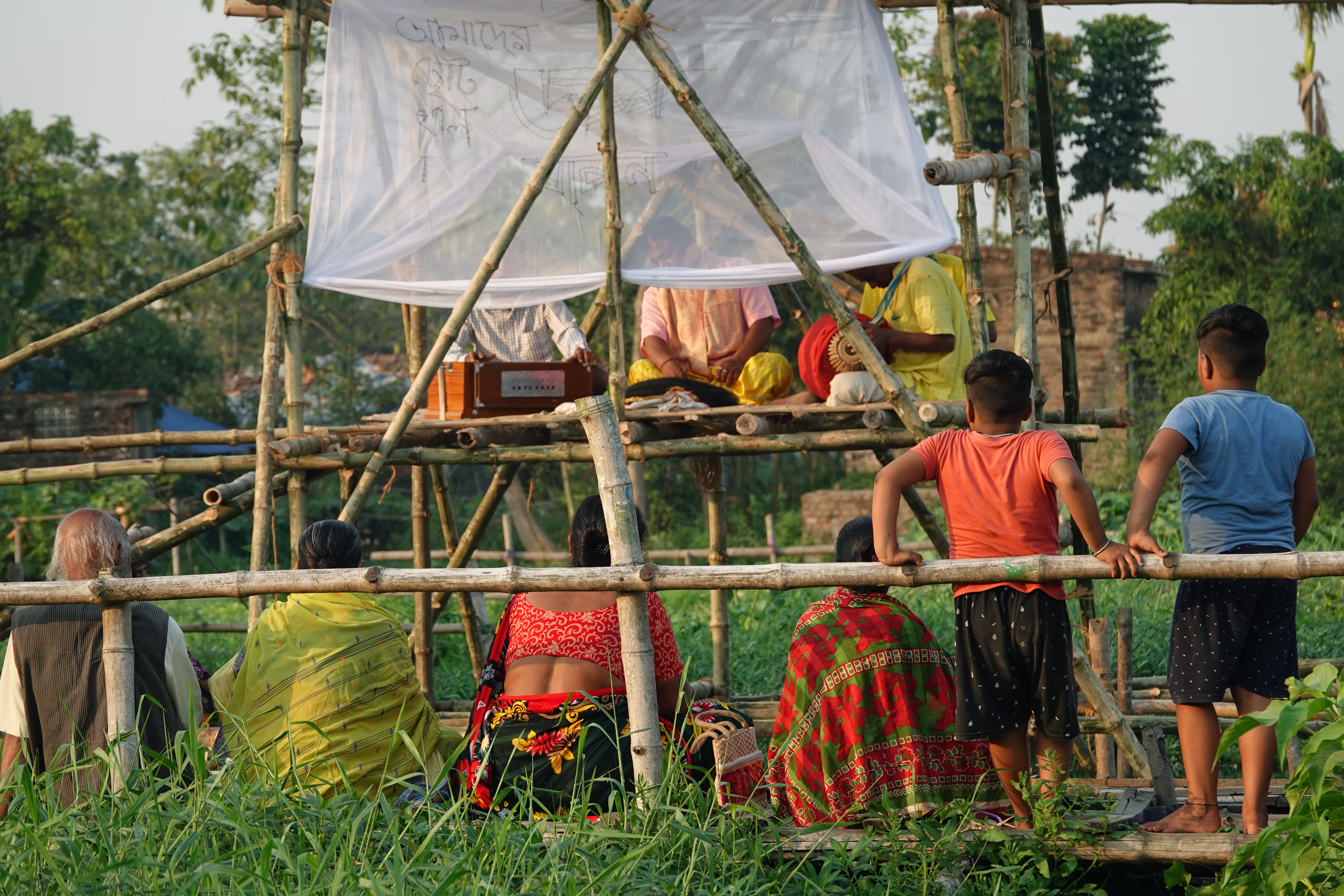
Chander Haat is more than an artists' collective; it is a family, an amalgamation of visions that turned into reality on the fringes of South Kolkata. Previously known as Environmental Arts, the collective that stands today once existed only as a distant dream shared by a few like-minded individuals. It began as an endeavour to break art away from mainstream exhibitions held in white cubicles, often marked by esoteric demonstrations and limited accessibility. The space views art not as the effort of a single individual but as the symbolic representation of an entire community. It takes shape from the everyday mundanities of our daily lives. In the case of Chander Haat, this everyday reality began with the aspirations of Tarun Dey, whose art itself has become a collage of football, theatre, music, community work, and the experience of growing up in a refugee family in southern Kolkata. The idea took shape upon his return to Sarsuna, where he began working with his neighbours and friends. He gradually realized the impact of environment and surroundings on the creation of art. His perspective shifted, and art came to exist not in a finished product but in an ongoing practice. Thus, his artistic practice became one of asking questions and creating spaces where people could learn from one another. Today, Chander Haat is made up of seven individual artists, for whom it serves as a third space. The artists associated with the collective have their differences; yet, here, differences are not negated but discussed. These discussions lead to a conglomeration of ideas, often giving way to entirely new pathways. The collective is thus a collage of these different tributaries of thought, all eventually flowing into one river of hope called Chander Haat. The space is, in more ways than one, an essential reflection of its neighbourhood. For the artists living in this area, the entire four square kilometres of Sarsuna become their canvas. The neighbourhood itself, like the collective, is a melting pot of many forgotten histories. It is a suburb situated on the banks of a canal, bearing memories of post-1971 migration, when it became a confluence of different socio-cultural threads of life. This history of diversity makes the place a microcosmic representation of the idea of "unity in diversity" in this land. Thus, everything in this landscape—from the streets to the canals, from the courtyards to the trees—becomes an archive of forgotten memories and a canvas for creation. Initiatives such as *The Story of a Canal* and *Jadughor: Floating Stories* have reflected this ideology of a community-oriented art space. In the future, this collective will only continue to expand, because Chander Haat is not merely a living space; it is a dream waiting to be lived.